
Career & Resource Hub
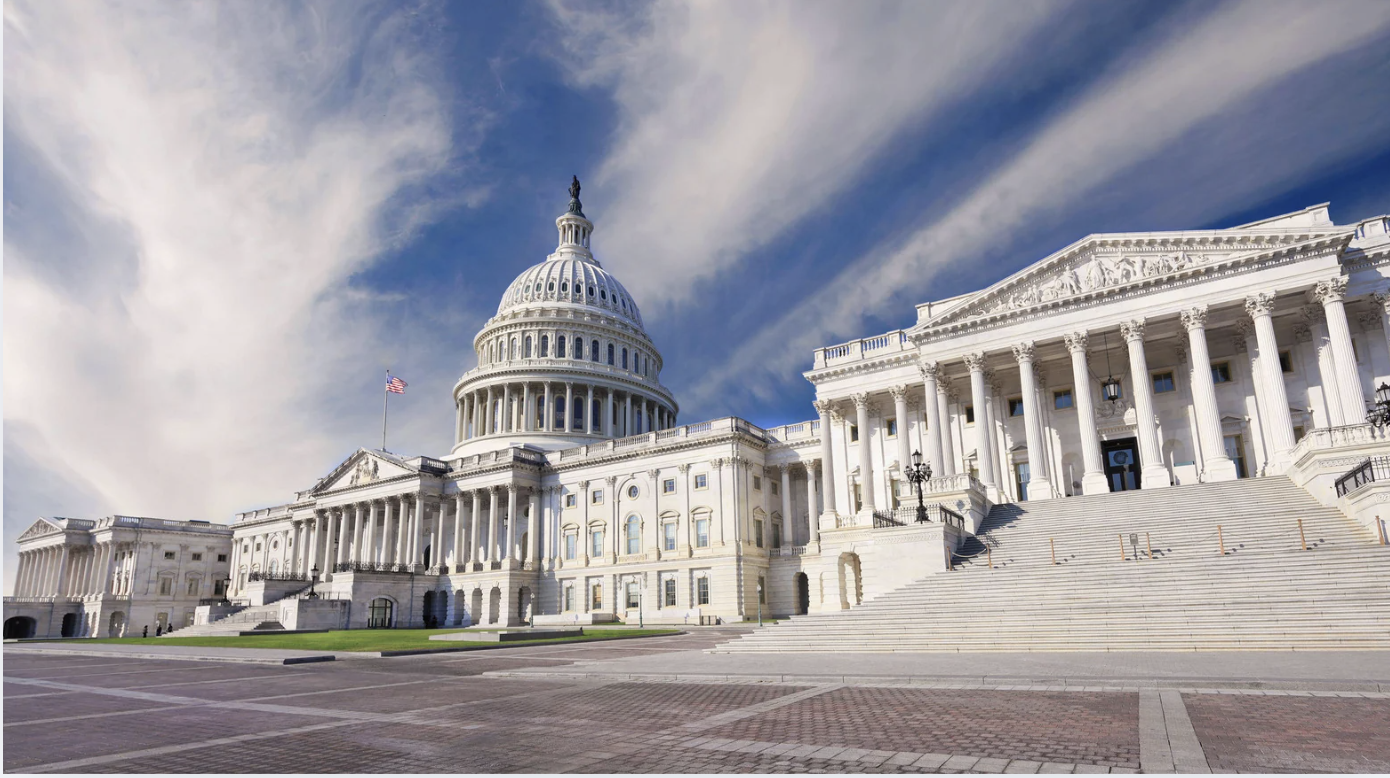
The BWCA Resource Page is your go-to hub for career tools and professional development resources for Black women navigating government, Capitol Hill, and public service. Explore resume banks, congressional and federal resume formatting guides, career development tools, and employment resources to help you prepare for your next opportunity and take the next step in your career.
Congressional Resume Resources
Additional Resources
CAO - Office of Talent and Development Senate Employment Office: Guide to Networking
Know Your Role & Responsibilities
Personal Office
Washington, D.C. & Office Leadership Roles
Chief of Staff (CoS): The senior aide who runs the office, supervises staff, acts as a primary political and strategic advisor, and serves as a gatekeeper to the Representative.
Legislative Director (LD): Oversees the Representative’s entire legislative agenda, manages the policy team, and advises the Member on votes and strategy.
Legislative Assistant (LA): Policy specialists who handle specific issue portfolios (such as healthcare, defense, or education), draft bills, prepare briefing memos, and meet with lobbyists or constituents.
Legislative Correspondent (LC): Manages constituent mail and email responses concerning pending legislation and policy positions.
Staff Assistant: Often an entry-level role handling front-office operations, greeting visitors, answering phones, coordinating U.S. Capitol tours, and managing flag requests.
Communications Director / Press Secretary: Manages media relations, writes press releases, coordinates with reporters, and handles public messaging.
Digital Director / Press Assistant: Manages social media accounts, digital content, newsletters, and online media monitoring.
Scheduler / Appointment Secretary: Manages the Representative’s daily calendar, speaking engagements, travel arrangements, and committee/meeting priorities.
Counsel / Legislative Counsel: Provides legal analysis and deep-dive drafting support for legislation (though less common in smaller personal offices than in leadership or committee settings).
District Office Roles
District Director: Oversees the local district office operations, community relations, and regional strategy.
Caseworker / Constituent Services Representative: Works directly with constituents to resolve problems with federal agencies (such as Social Security, Medicare, veterans' benefits, and passports).
Field / Regional / Outreach Representative: Represents the Member at local events, meets with community leaders, and tracks local issues.
District Scheduler: Manages the Member's schedule during district work periods and local events.
Committee Roles
Staff Director: The top administrative officer and primary advisor to the committee chair (for the majority) or ranking member (for the minority).
General Counsel / Counsel: Attorneys responsible for drafting legislation, managing legal and ethical advice, and conducting committee investigations and hearings.
Professional Staff Member: Subject-matter experts and policy analysts who research specific legislative issues, prepare briefing materials, and assist with hearings.
Associate Staff: Staffers who work in an individual representative's personal office but focus specifically on committee-related work as the member's eyes and ears.
Chief Clerk / Clerk: Administrative officials who record votes, manage committee records, track legislative calendars, and prepare committee reports.
Communications Director / Press Secretary: Specialists who handle public relations, draft press releases, and manage media outreach for the committee.
Economists / Specialized Analysts: Technical experts hired for panels dealing with complex financial, tax, or budgetary matters (such as Ways and Means or the Budget Committee).
Staff Assistant / Clerical / Interns: Support staff handling day-to-day office organization, paperwork, phone calls, and administrative research.